
- The process of creating geologic cross sections in ArcGIS from 2D in ArcMap to 3D in ArcScene using Xacto program output esri.comSpring 2012au29 A GIS and graphics specialist for the Illinois State Geological Survey (ISGS) developed GIS tools that help visualize subsurface geology.
- For example, you can edit the classification codes for lidar data and view architectural-style cross-sections of a building. Profile viewing works on all types of data and surfaces. Profile viewing shifts the camera automatically to look at the data from a side-on viewpoint.
- Using Hec-GeoRas to Extract Cross Sections from a DTM for HEC/RAS Input Open Arcmapand create a new mxd file (File/New or File/Save As); must have Editor, Georas, and 3D Analysttool bars loaded.
Expand the 'Geocoding options' section. Click the 'Match with no zones' drop-down arrow, and select Yes. For more information on properties listed in the Geocoding options section, refer to the following ArcGIS Web Help topic: Geocoding options properties. Use the Check Geometry and Repair Geometry tools before geocoding.
Make Cross Section and Profile Diagrams Directly in ArcMap
- Generate detailed diagrams in minutes, not hours.
- Highlight vertical, as well as horizontal, spatial relationships.
- Instantly evaluate cross section details and attributes.
- Develop diagrams that encourage intuitive reasoning and problem solving.
Multi-Surface Visualization
- Simultaneously visualize multiple GRIDs, TINs, and other surface datasets.
- Display topographic surfaces with geologic and hydrologic subsurfaces.
- Depict and highlight spatial interrelationships among surfaces.
Incorporate well, bore, and other down-hole features
- Depict wells, bores, and other features from input datasets, and retain their descriptive attributes.
- Expand your workflow to incorporate geotechnical and geo-environmental data.
- Highlight and infer relationships among features to encourage intuitive data interpolation
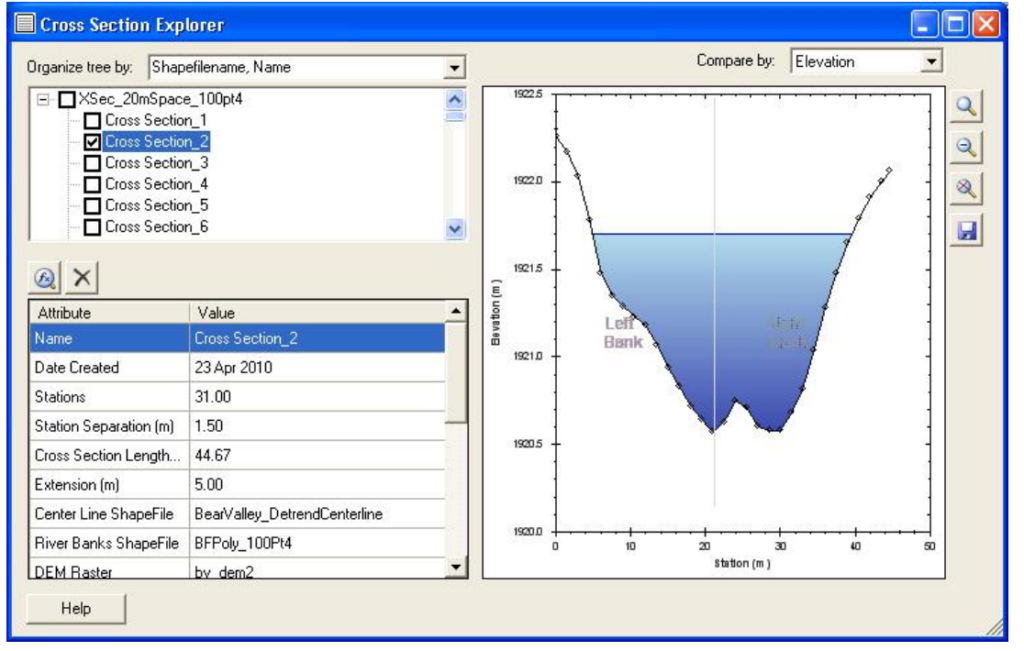
Search and Visualization Buffer
Arcgis Cross Section Tool Set
- Search for, find, and display wells, bores, and other point features within a proximity buffer to your cross section line.
- Define buffer distances relevant for your cross section.
- Quickly and interactively evaluate the visual impact of different proximity buffers on your cross section diagram.
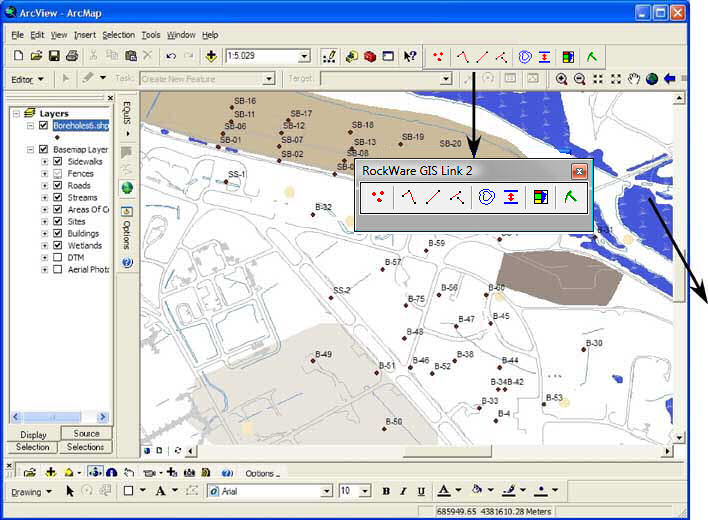
Complete ESRI ArcGIS Workflow Integration
Cross Section Physics
- Seamless integration within ArcMap via an easy-to-use and easy-to-learn wizard.
- Simple, intuitive learning curve based on your existing ArcGIS skills.
- Leverage ArcMap’s native cartographic editing and finishing tools.
- Retain and sustain feature attributes from input source layers to output cross section diagrams.
- Compatible with ESRI geodatabases, shapefiles, coverages, and tables imported into ArcMap